
Ships within 2 days via
We deliver to your doorstep under DAP terms. Customs clearance is for your account
Business customers can apply for Net 30
No fees, No interest, Fast approval.
Payment
| Item | Fuse |
|---|---|
| Ac Voltage | 600V AC |
| Amps | 6.25A |
| Body Material | Melamine |
| Body Style | Cylindrical |
| Class | Class CC |
| Compatible Fuse Block Series | Bc, Bcm, C2617, C5268, Chcc, Hpf, Opm-1038, Opm-Ng |
| Connection Type | Ferrule End x Ferrule End |
| Dc Voltage | 150V |
| Dc Voltage Rating | 150V DC |
| Diameter | 13/32" |
| Element | Dual |
| Equivalent Brand And Series | Bussmann LP-CC, Littelfuse CCMR, Mersen ATDR Series |
| Equivalent Series | Atdr, Ccmr, Lp-Cc |
| Fits Fuse Block Style | Rejection |
| Functionally Equal To | Ferraz ATDR |
| Fuse Block Design | Rejection |
| Fuse Size (lg X Dia) | 1 1/2" x 13/32" |
|---|---|
| Indicating / Nonindicating | Non Indicating |
| Interrupt Rating | 200 kA at 600V AC, 20 kA at 150V DC |
| Length | 1 1/2" |
| Mfr. Series | Bussmann LP-CC, Littelfuse CCMR, Mersen ATDR Series |
| Overall Diameter | 13/32" |
| Package Quantity | 10 |
| Rejection / Nonrejection | Rejection |
| Response Time | 12 sec. @ 200% |
| Series | LP-CC Series |
| Source | Mouser |
| Speed | Time Delay |
| Speed Type | Time Delay |
| Standards | Ce/Ul-248-4 Guide Jddz/Csa Class 1422-02 |
| Type | Current Limiting Time Delay Fuse |
| Visual Indication | Non Indicating |
| Voltage | 600V AC |
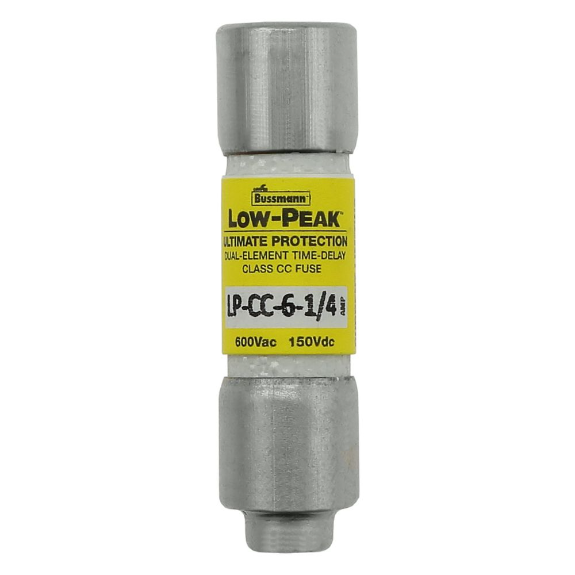
Bussmann LP-CC-6-1/4 fuse prevents spontaneous tripping during motor and equipment startup phases. This slow-blow fuse is paired with an indicating fuse block to protect an electrical circuit when subjected to heavy loads and short circuits in commercial and industrial applications.
| Height (cm) | 3.81 |
|---|---|
| Length (cm) | 1.04 |
| Width (cm) | 1.04 |
| HS Code | 8536100040 |
|---|---|
| Country Of Origin | MX |
| Weight (kg) | 0.045 |



Place one of the multimeter probes at one end of the fuse and position the second probe at the opposite end. If the reading on the display falls within the range of 0 to 5 ohms, it signifies that the fuse is in proper working condition without any damage.
Place the meter leads on opposite ends of the fuse. If the displayed voltage is negligible or absent, it indicates the fuse is functioning correctly. However, if a voltage difference is evident (typically matching the total supply voltage), this points to a faulty fuse.

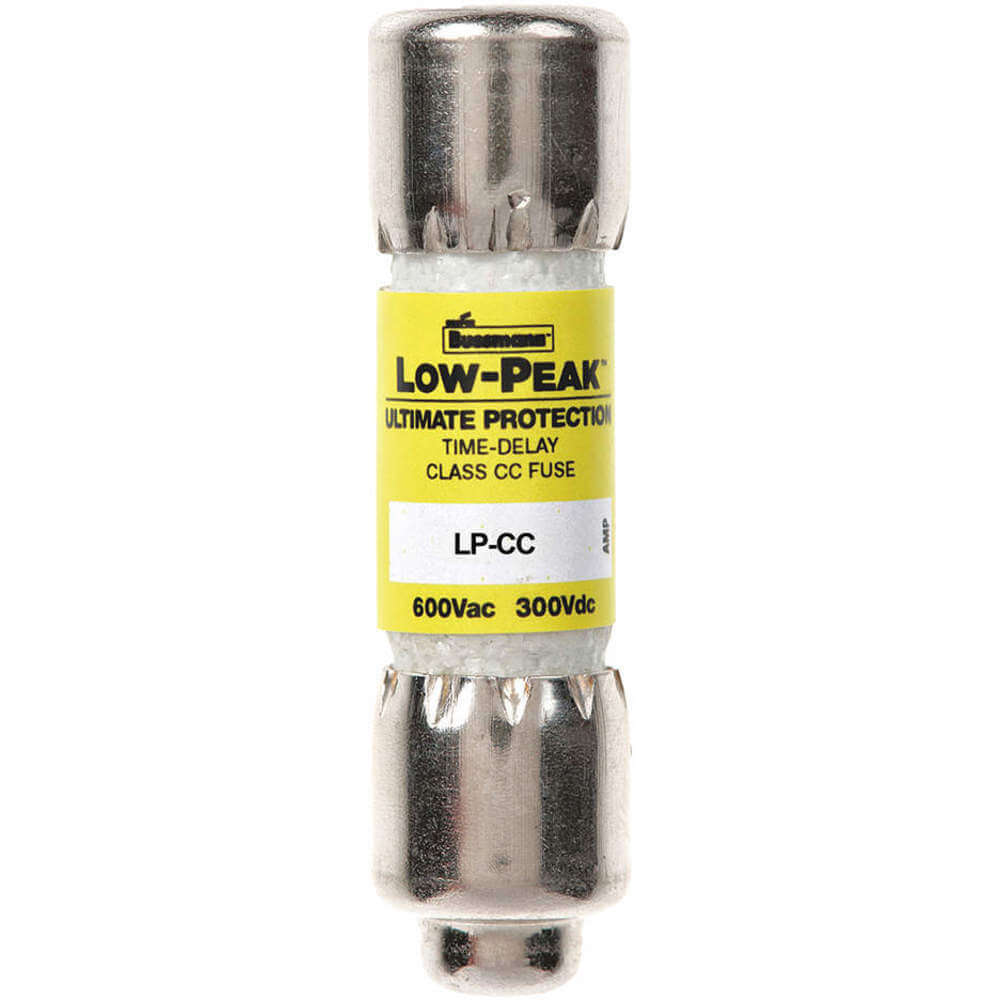
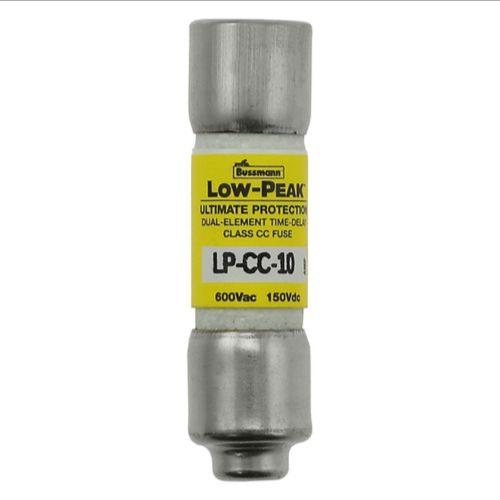
| Style | Model | Amps | Body Style | Dc Voltage Rating | Voltage | Diameter | Dc Voltage | Speed | Visual Indication | Price (ex. VAT) | Cart |
|---|---|---|---|---|---|---|---|---|---|---|---|
| A | LP-CC-1 | 1A | Cylindrical | 300V DC | 600V AC | 13/32" | 300V | Time Delay | Non Indicating | $23.25 | |
| B | LP-CC-1-1/4 | 1.25A | Cylindrical | 300V DC | 600V AC | 13/32" | - | Time Delay | Non Indicating | $24.89 | |
| B | LP-CC-1-1/8 | 1.125A | Cylindrical | 300V DC | 600V AC | 13/32" | - | Time Delay | Non Indicating | $24.53 | |
| B | LP-CC-1-4/10 | 1.4A | Cylindrical | 300V DC | 600V AC | 13/32" | - | Time Delay | Non Indicating | $24.89 | |
| B | LP-CC-1/2 | 1/2A | Cylindrical | 300V DC | 600V AC | 13/32" | - | Time Delay | Non Indicating | $24.53 | |
| C | LP-CC-10 | 10A | Cylindrical | 150V DC | 600V AC | 13/32" | 150V | Time Delay | Non Indicating | $22.25 | |
| B | LP-CC-12 | 12A | Cylindrical | 150V DC | 600V AC/150V DC | 13/32" | - | Time Delay | Non Indicating | $24.89 |

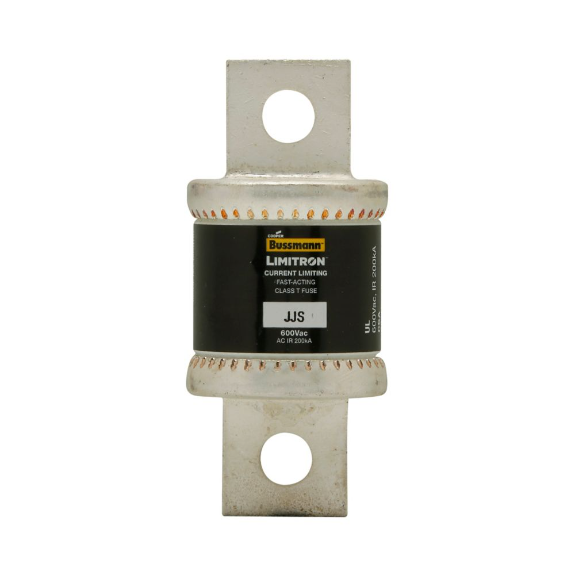


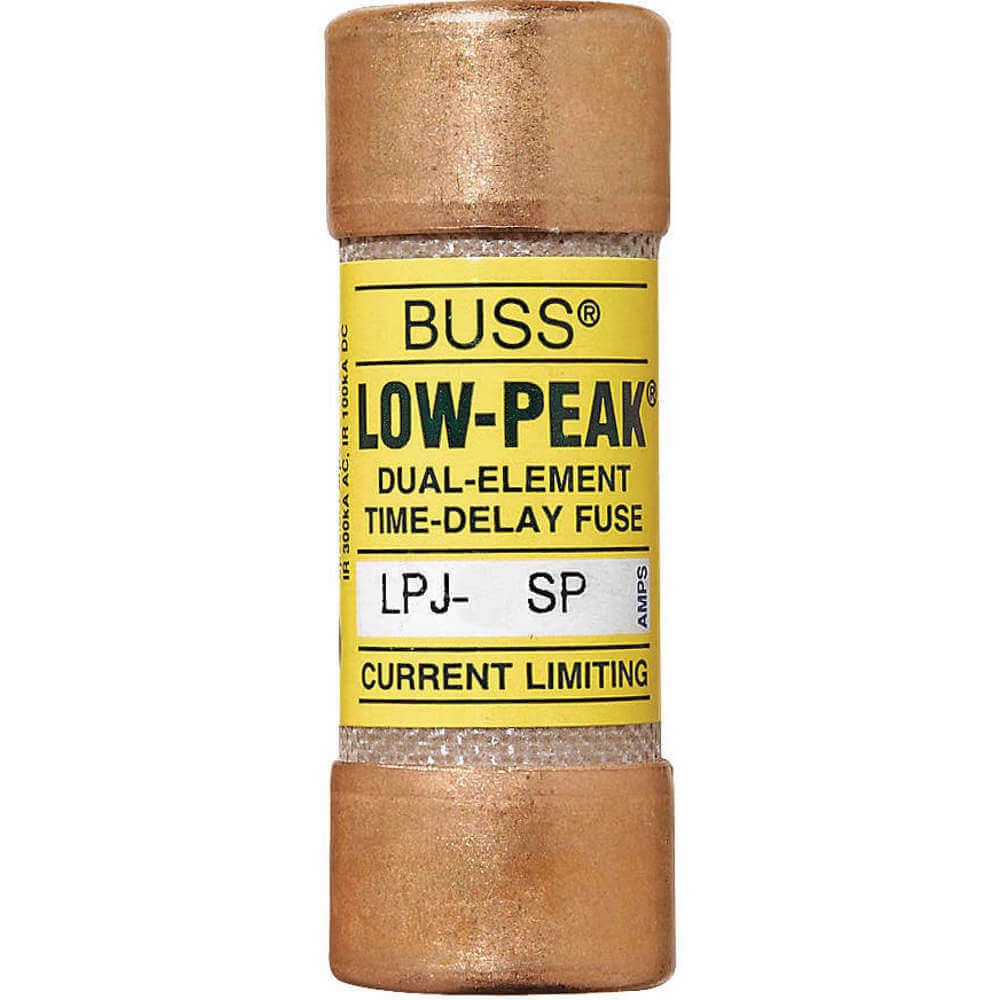

Since you're visiting from the United States, for the best experience and tailored product searches, please use our dedicated U.S. website.
Go to ChatMRO.com (US)



 ChatMRO