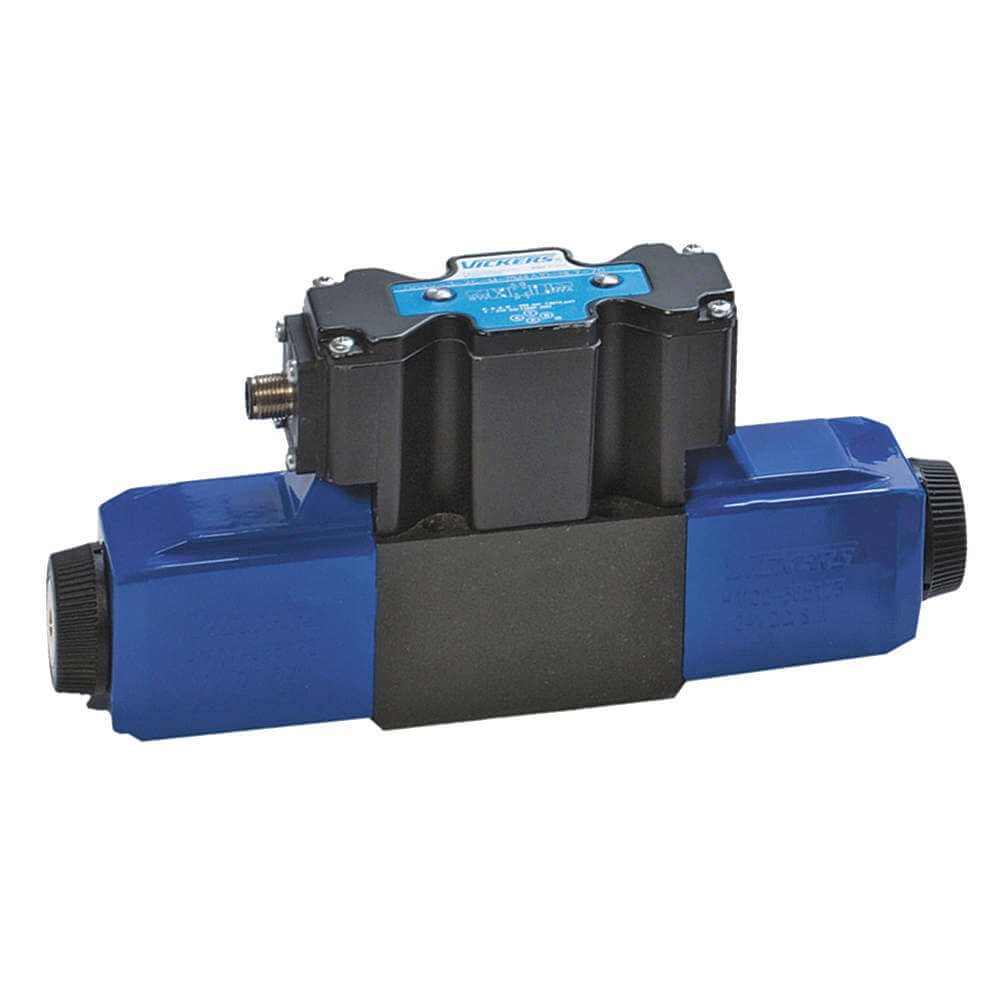
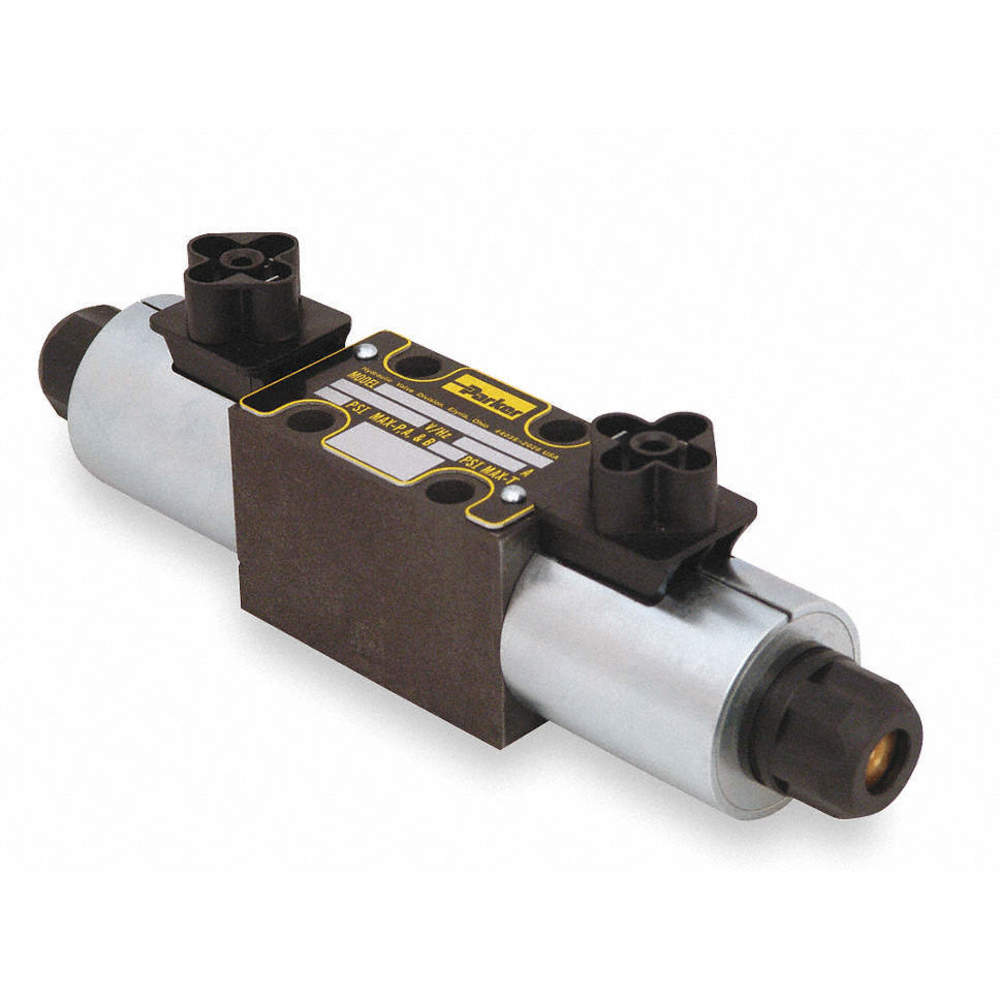
PARKER D1VW001CNJW Hydraulic Directional Control Valve, Nitrile Seal, 24VDC

Item: AC2WKU
Model: D1VW001CNJW
Cross Ref: 2NMV2
10 In Stock.

Ships within 2 days via

We deliver to your doorstep under DAP terms. Customs clearance is for your account

$458.13
10% off
$412.32 /unit (ex. VAT)
Add To Cart
Request Quote

Unlock 30-day payment terms

Business customers can apply for Net 30
No fees, No interest, Fast approval.

FREE delivery on orders over $ 150.00

Payment

Specifications

Item Control Valve
Actuation Type Solenoid
Body Material Cast Iron
Center Position Closed Center
Center Position - Hydraulic Valves Closed
Coil Voltage 24V DC
Electrical Connection Type Din Without Plug
Flow Rate 20 GPM
Gpm @ 3000 Psi 20 GPM
Height 1.97"
Includes Seals Seals Included
Input Voltage 24V DC
Length 9 1/5"
Max. Flow Rate 80 LPM
Max. Pressure 5000 psi
Max. Tank Pressure 3000 psi
Maximum Flow Rate3 21.1 GPM
Maximum Pressure 5075 psi
Mounting Subplate-Mounted
Nfpa Size D03
Number Of Positions 3
Number Of Ways 4
Operating Temperature - Maximum 140°F
Operating Temperature - Minimum -13°F
Overall Height 1.97"
Overall Length 9.2"
Overall Width 1.81"
Return Mechanism Spring
Return Type - Hydraulic Valves Spring Centered
Seal Material Nbr
Series D1VW Series
Spool Type Closed
Valve Control Directional Control
Valve Type Solenoid Operated
Voltage 24V DC
Width 1.81"
Standards ISO-4401, NFPA D03

Product Details

Parker D1VW001CNJW hydraulic valve is designed for controlling liquid flow in hydraulic & fluid power pneumatic systems. It also starts or stops the flow of liquid.

Shipping Information

Height (cm) 4.6
Length (cm) 23.37
Width (cm) 5
HS Code 8481200020
Country Of Origin US
Weight (kg) 2.232

Working Mechanism

  • Directional control valves (DCV) maintain fluid in a standby condition, preventing it from flowing from inside the system until it is required to move and fulfil its intended purpose.
  • When activated, directional control valves change into action, accomplish the task and shift back into neutral.
  • The valve is connected using separate wires for control.

Features

  • Parker D1VW001CNJW hydraulic directional control valve has DC surge suppression mechanism for suppressing the external voltage spikes & proportional spools for controlling pressures up to 5000 psi.
  • It comes with a 4-way solenoid valve to control the flow of fluids in various directions.
  • This unit features waterproof & explosion-proof construction to ensure protection against harsh industrial conditions.
  • The model has a seal made of nitrile O-ring (NBR) to resist crude oil, petroleum oils, abrasion, water, propane and gasoline.
  • It allows spring return actuation to deliver power using spring force, providing flow ratings up to 20 GPM.

Compatible Accessories

Standards and Approvals

  • RoHS
  • CSA
  • ISO
  • NFPA

Certifications

certificatecertificate

Frequently Asked Questions

What are the operating instructions of this DCV?

  • The user must utilise a proper control system to operate the DCV valve.
  • The seal & connectors may be impaired and loosen if the screw connections are not tightened.
  • The valve and the electronic control system may malfunction due to short circuits between the wires, shoddy construction or improper shielding attachment.
  • As the solenoid heats, the current decreases. As long as the desired voltage is maintained at the valve, the decreased current has no impact on how the valve operates.
  • To manually activate the solenoid in an emergency, a proper instrument should be utilised.
  • It is advised to flush long pipes at large central pressurised oil stations in particular by cutting the pressure and return lines as it stops dirt from being transported to the valve during installation.
  • If the product has to be stored temporarily, it must be shielded from debris, weather and damage.

How to vent a hydraulic system?

  • When first commissioning, following an oil change, or after opening lines or valves, the hydraulic system has to be vented.
  • The highest point of the pipe network is where venting occurs.
  • To let air and a tiny bit of oil out, slightly loosen the vent screw.
  • Tighten the screw once more after the escaping oil is no longer foaming.
  • After that, do each function sequentially while using the lowest feasible pressure and no-load settings.
  • Now vent the system again.
  • Ensure that any oil (that escapes) is gathered and properly disposed of.

How can leaking plugs affect the valve's performance?

Leaking plugs can cause a malfunction. Because of this, the plugs must be examined for leakage at the scheduled maintenance interval. It is necessary to send the valve back to the manufacturer for repair since leaking plugs might pose a safety risk.

What happens in case of a power failure?

The valve piston returns to the spring centred starting position during a power outage. When using the system or machine, you must determine whether this poses any risks.

How to install a DCV?

  • Ensure that the outer O-rings are complete and intact before installation.
  • Damaged parts of O-rings must not be installed as they may impair the function of the valve.
  • Installation and lifting equipment should be used for installation, if necessary.
  • After securing the valve in place, tighten all nuts evenly and diagonally over the course of multiple passes, according to the manufacturer's recommended torque.
  • Check the sealing surface for leaks if the valve is pressurised for the first time.

Other Also Viewed

Explore Products

Welcome to Your U.S. Store!

Since you're visiting from the United States, for the best experience and tailored product searches, please use our dedicated U.S. website.

Go to ChatMRO.com (US)


Continue to International Site