
Ships within 2 days via
We deliver to your doorstep under DAP terms. Customs clearance is for your account
Business customers can apply for Net 30
No fees, No interest, Fast approval.
Payment
| Item | Fire Damper |
|---|---|
| Air Flow Direction | Vertical |
| Application | Fire |
| Blade Finish | Galvanized |
| Blade Material | Galvanized Steel |
| Blade Type | Curtain |
| Closure Type | Gravity |
| Damper Application | Fire |
| Damper Depth | 3 11/16" |
| Damper Height | 5 3/4" |
| Damper Item | Fire Damper |
| Damper Shape | Rectangular |
| Damper Type | Static |
| Damper Width | 11 3/4" |
| Finish | Galvanized |
| Fire Rating | 1.5 hrs. |
| For Duct Shape | Rectangular |
| Frame Depth | 3 3/4" |
| Frame Finish | Galvanized |
| Frame Less Flange | 72 sq. in. |
| Frame Material | Steel |
| Frame Material Thickness | 22 ga. |
| Free Area | 0.3 sq. ft. |
|---|---|
| Fusible Link Temperature | 165°F |
| Includes | Ul Fusible Link |
| Material | Steel |
| Material Thickness | 22 ga. |
| Max. Ambient Temp. | 165°F |
| Mounting Location | Wall |
| Mounting Position | Vertical |
| Mounting Style | Static, Vertical |
| Mounting Type | Static Vertical |
| Nominal Duct Height | 6" |
| Nominal Duct Width | 12" |
| Overall Height | 5 3/4" |
| Overall Length | 3 3/4" |
| Overall Width | 11 3/4" |
| Rough Opening Shape | Rectangular |
| Rough Opening Width | 12" |
| Shape | Rectangular |
| Switch Action | Normally Open |
| Maximum Air Velocity | None |
| Standards | CSFM, IBC, NFPA 80, NFPA 90A, 101, NYC MEA, UL 555 |
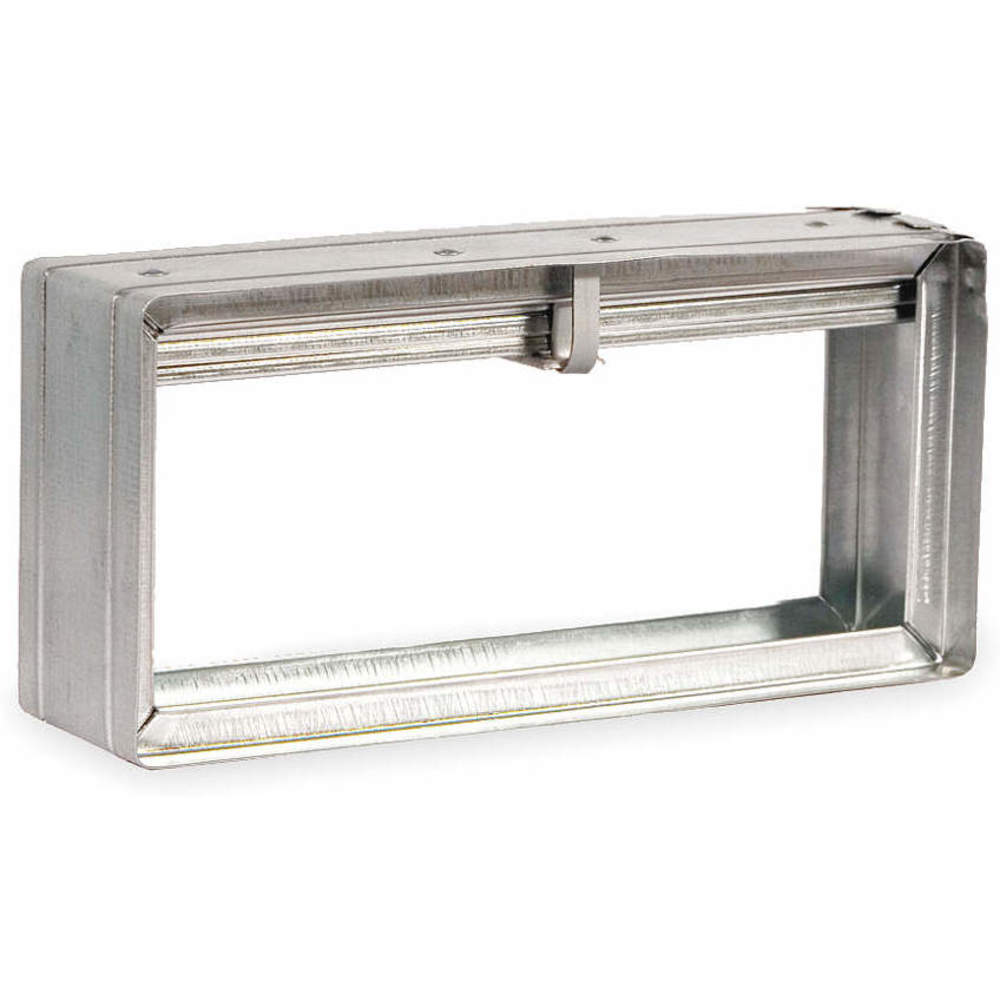
Dayton 2TGA5 rectangular fire damper is employed in HVAC systems within commercial buildings and industrial facilities. They enhance fire safety by restricting the spread of flames and smoke through ventilation ducts during a fire emergency.
| Height (cm) | 14.6 |
|---|---|
| Length (cm) | 9.52 |
| Width (cm) | 29.84 |
| HS Code | 8481809050 |
|---|---|
| Country Of Origin | US |
| Weight (kg) | 1.6425 |


The fusible link melts at 165 degrees F, triggering the closure of the damper during a fire.
Manual fire dampers and automatic fire dampers are both crucial components in fire protection systems, designed to prevent the spread of fire and smoke within buildings. While manual fire dampers require physical intervention for activation, typically through a mechanical lever or switch, automatic fire dampers operate autonomously in response to fire alarms, smoke detectors, or temperature sensors. The key distinction lies in their activation mechanisms: manual dampers demand human intervention, offering greater control but potentially slower response times, whereas automatic dampers offer quicker and automated reaction to fire-related cues, ensuring rapid containment of fire and smoke for enhanced safety.
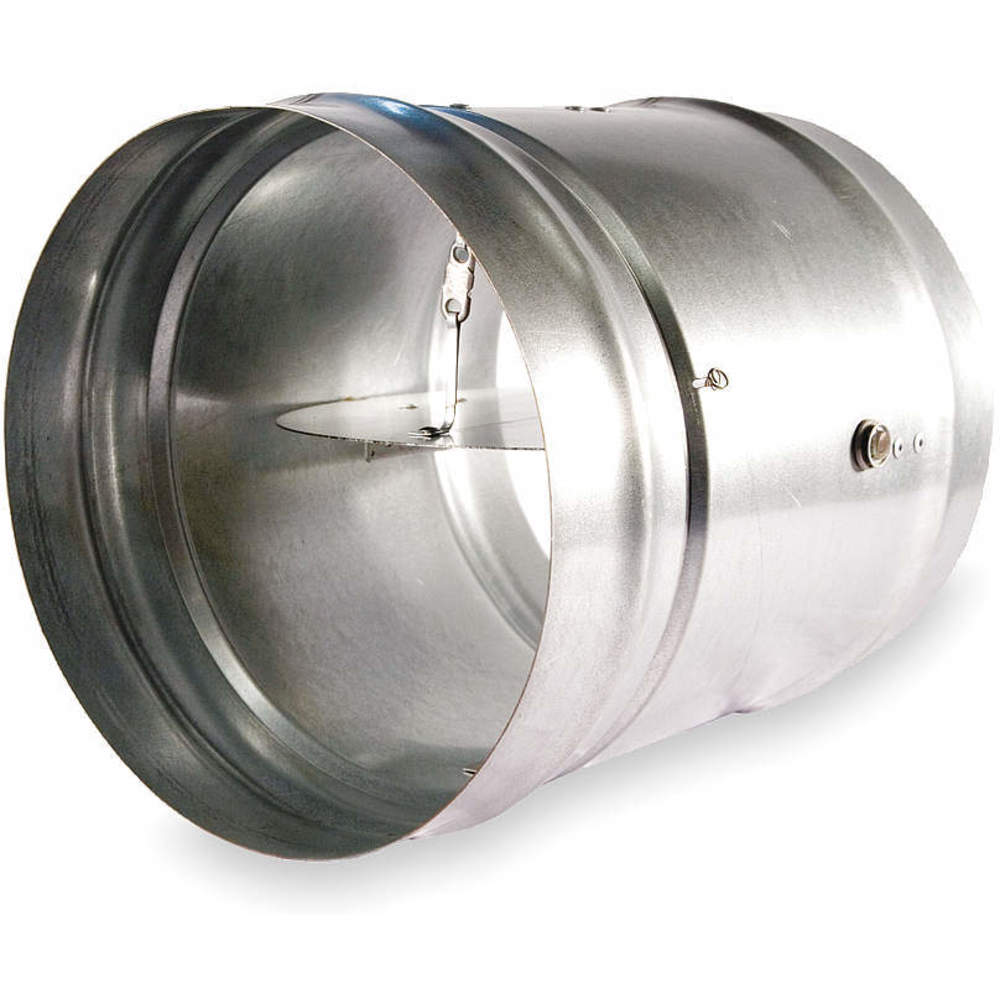
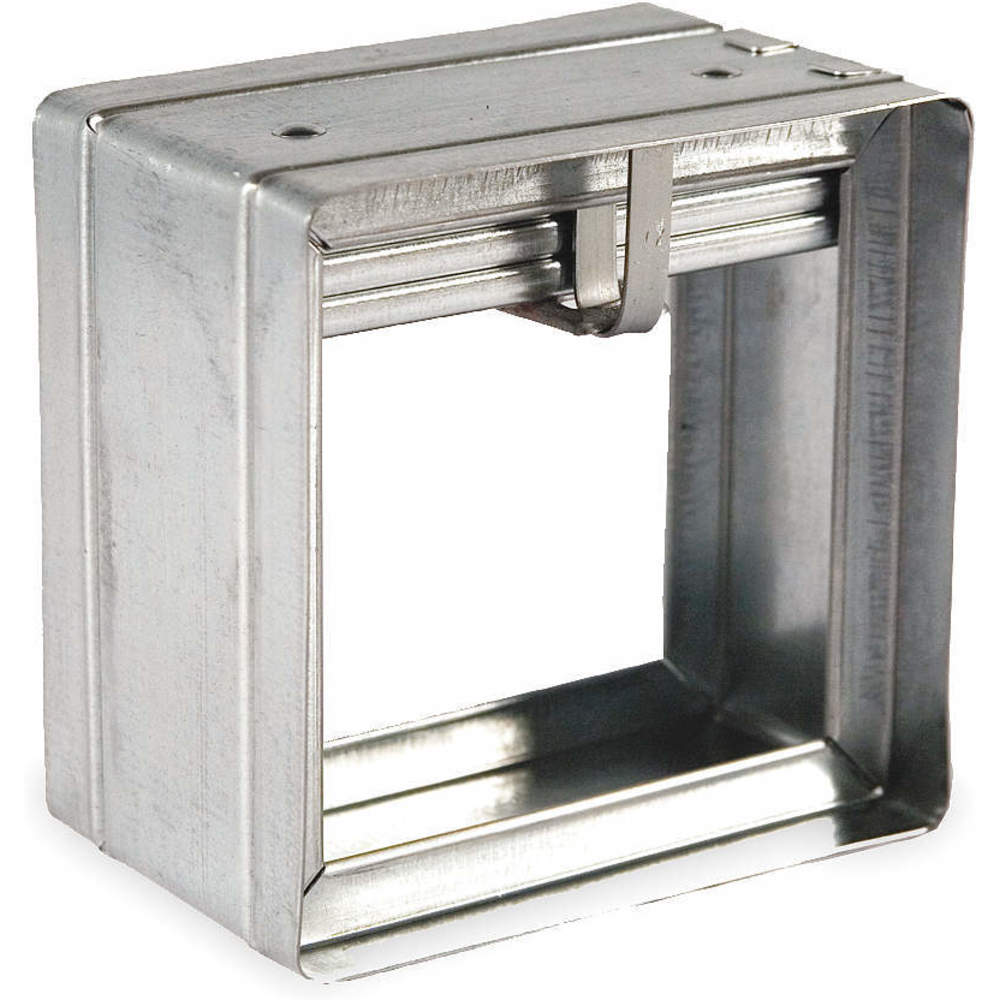
| Style | Model | Overall Length | For Duct Shape | Damper Type | Closure Type | Mounting Position | Fusible Link Temperature | Price (ex. VAT) | Cart |
|---|---|---|---|---|---|---|---|---|---|
| A | 2TFZ4 | 14" | Round | Dynamic | Spring | - | - | $247.87 | |
| A | 2TFZ5 | 14" | Round | Dynamic | Spring | - | - | $246.23 | |
| A | 2TFZ6 | 14" | Round | Dynamic | Spring | - | - | $261.93 | |
| A | 2TFZ7 | 14" | Round | Dynamic | Spring | - | - | $240.26 | |
| A | 2TFZ8 | 14" | Round | Dynamic | Spring | - | - | $257.92 | |
| A | 2TFZ9 | 14" | Round | Dynamic | Spring | - | - | $332.78 | |
| B | 2TGA1 | 3 3/4" | Square | Static | Gravity | Vertical | 165°F | $99.03 |

Since you're visiting from the United States, for the best experience and tailored product searches, please use our dedicated U.S. website.
Go to ChatMRO.com (US)

 ChatMRO