
Get it by Monday, Feb 16
£9.99 flat shipping is applicable on orders with an aggregate weight less than 10kg. Orders exceeding 10kg will be charged default shipping rates
We deliver to your doorstep under DAP terms. Customs clearance is for your account
Business customers can apply for Net 30
No fees, No interest, Fast approval.
Payment
Delivery
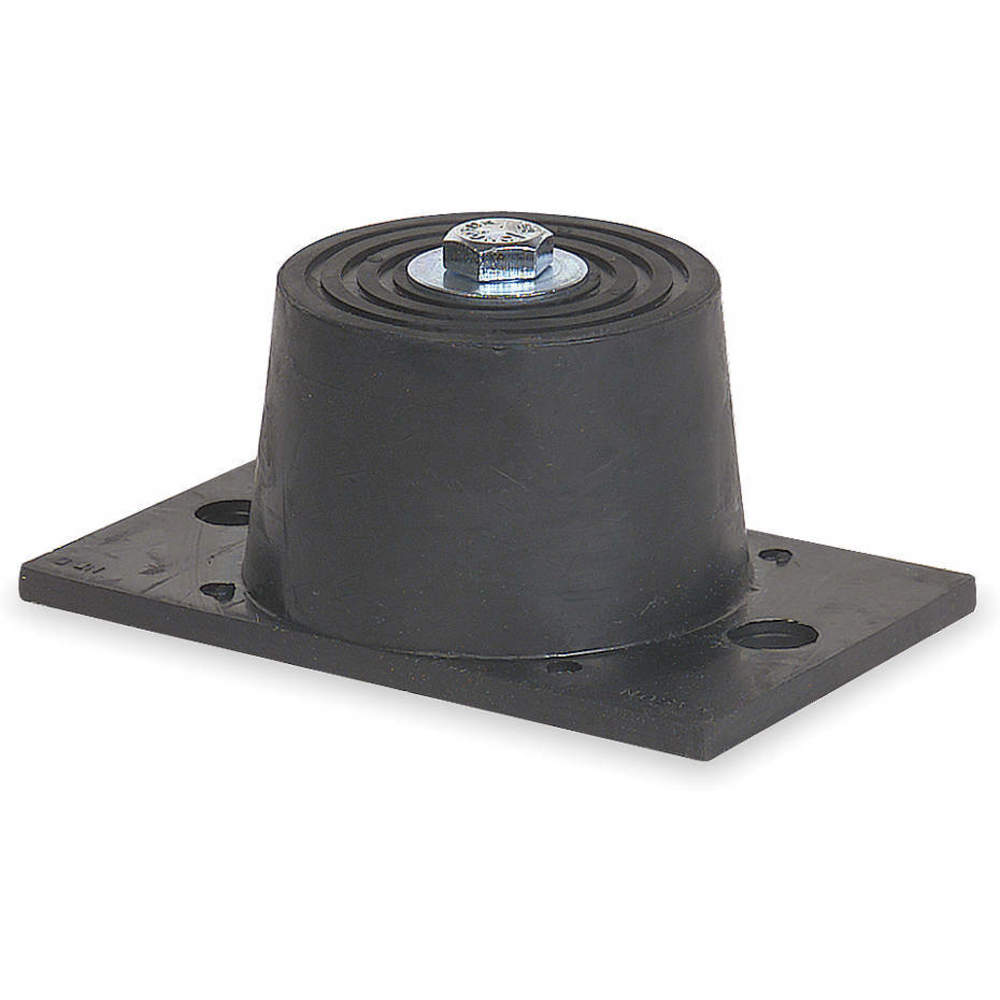
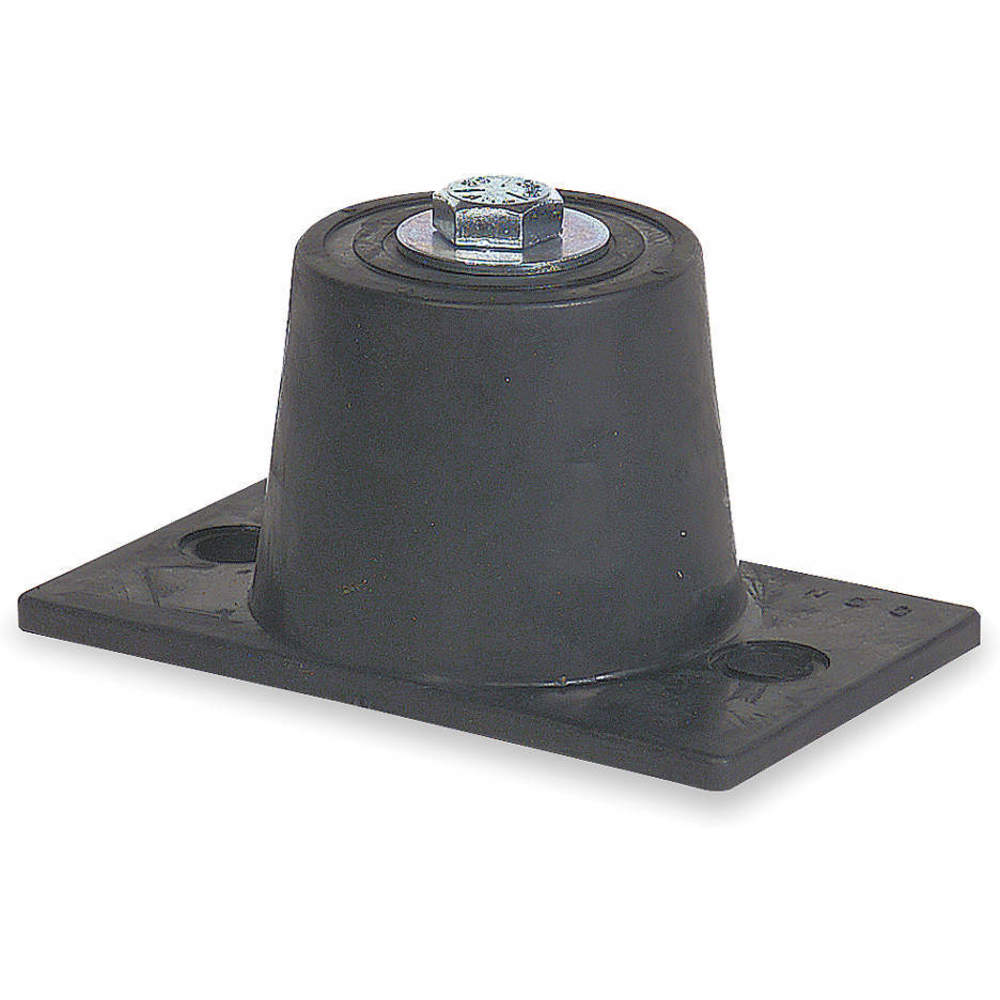
| Item | Floor Mount Vibration Isolator |
|---|---|
| Capacity | 1150.0 lbs. to 2300.0 lbs. |
| Color Mark | Yellow |
| Deflection | 0.25" to 0.5" |
| Dimension A | 11" |
| Dimension G | 11 1/4" |
| Dimension H | 11 1/2" |
| Dimension J | 20 1/8" |
| Height | 2 3/4" |
| Includes | Top Bolts And Washers |
| Isolator Material | Neoprene |
|---|---|
| Isolator Type | Neoprene |
| Overall Height | 2 3/4" |
| Overall Width | 4" |
| Rated Capacity - Maximum | 2300 lbs. |
| Rated Capacity - Minimum | 1150 lbs. |
| Rated Deflection - Maximum | 1/2" |
| Rated Deflection - Minimum | 0.25" |
| Screw Size | 1/2" |
| Width | 4" |
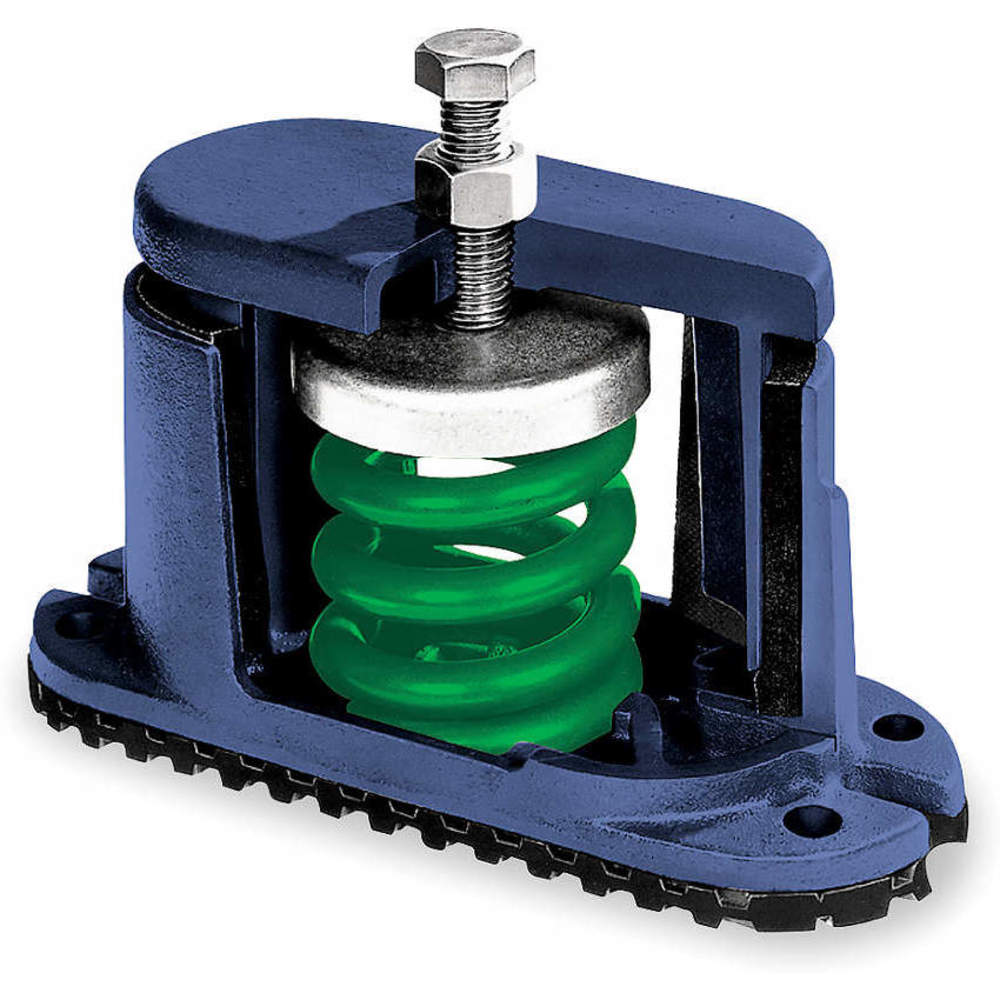
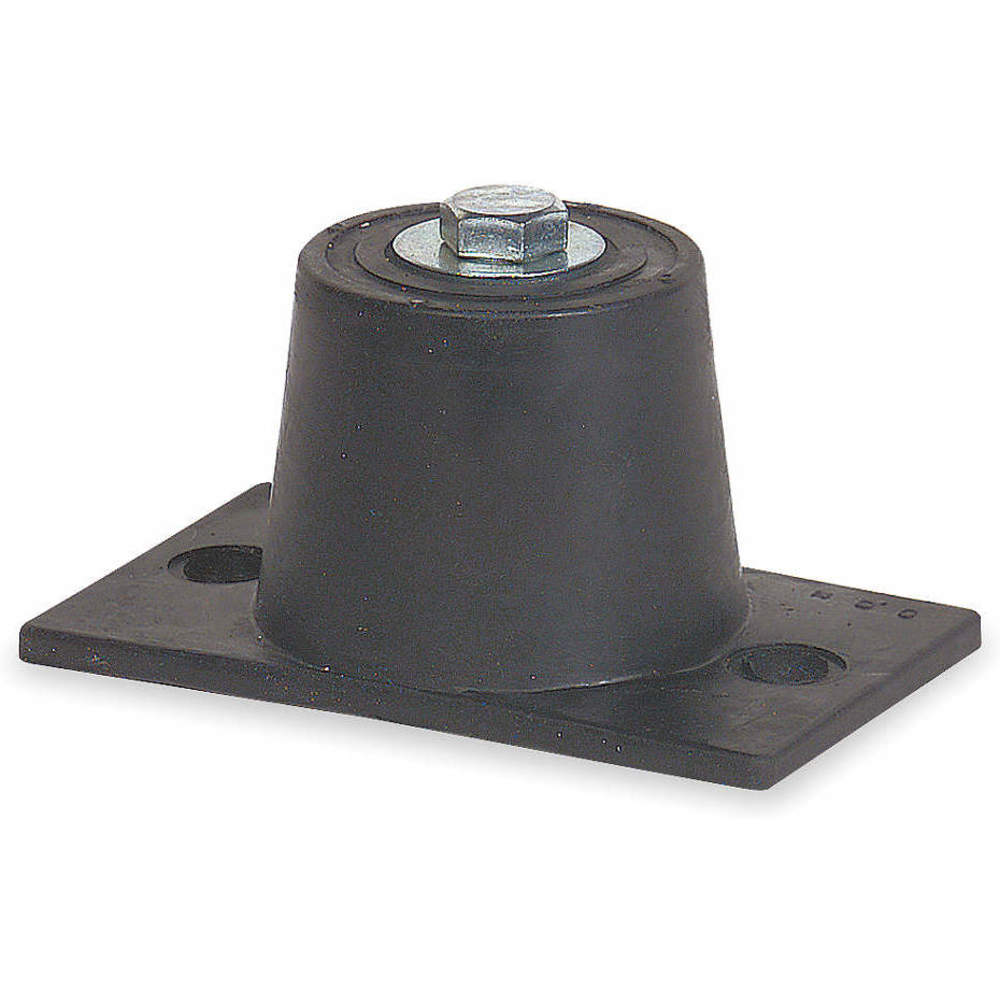
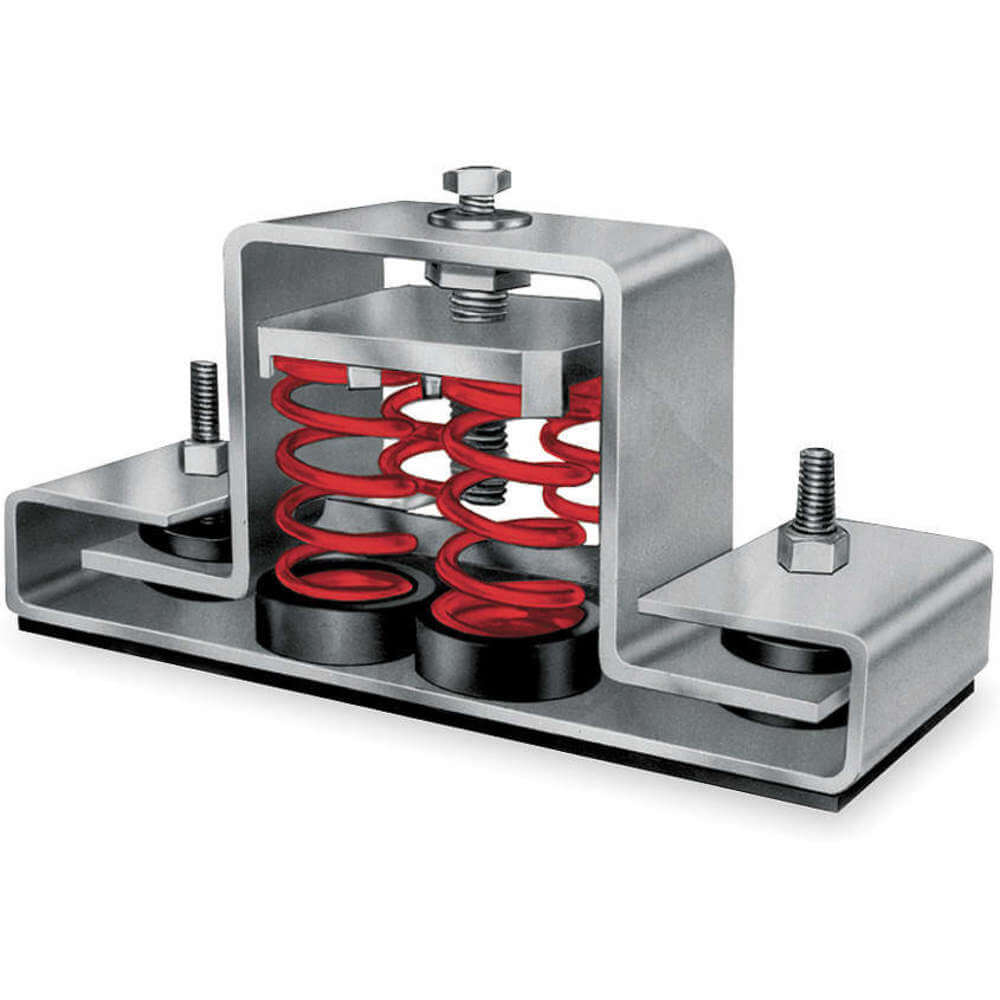
Mason 4C995 floor mount vibration isolator is engineered to improve machine & equipment performance as deflections increase. This floor-mount vibration isolator has applications in air conditioning equipment, pumps, compressors, machine tools and transformers.
| Height (cm) | 7.87 |
|---|---|
| Length (cm) | 15.75 |
| Width (cm) | 10.41 |
| HS Code | 4016996050 |
|---|---|
| Country Of Origin | TH |
| Weight (kg) | 1.0125 |
A vibration isolator prevents or controls how the vibration of a machine or piece of equipment affects its surroundings. It utilises specialised mounts to absorb the vibrations to allow vibration isolation.
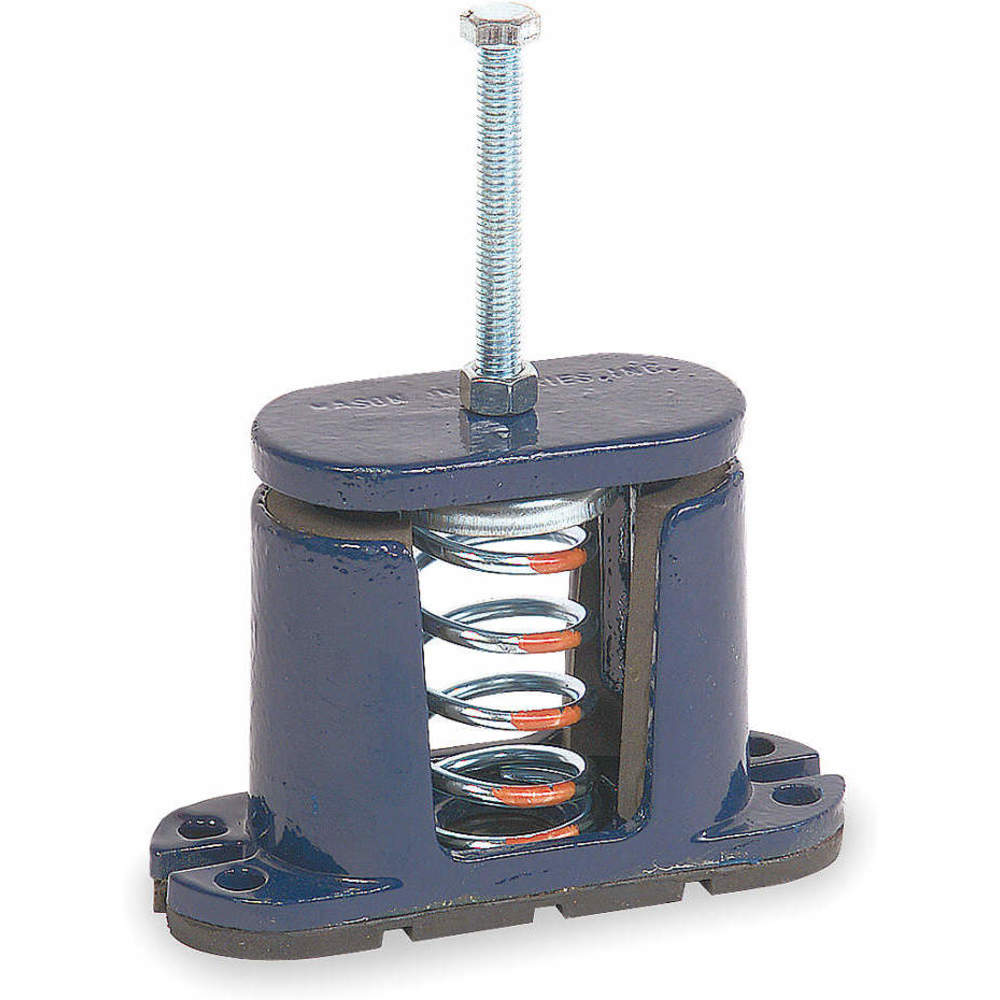
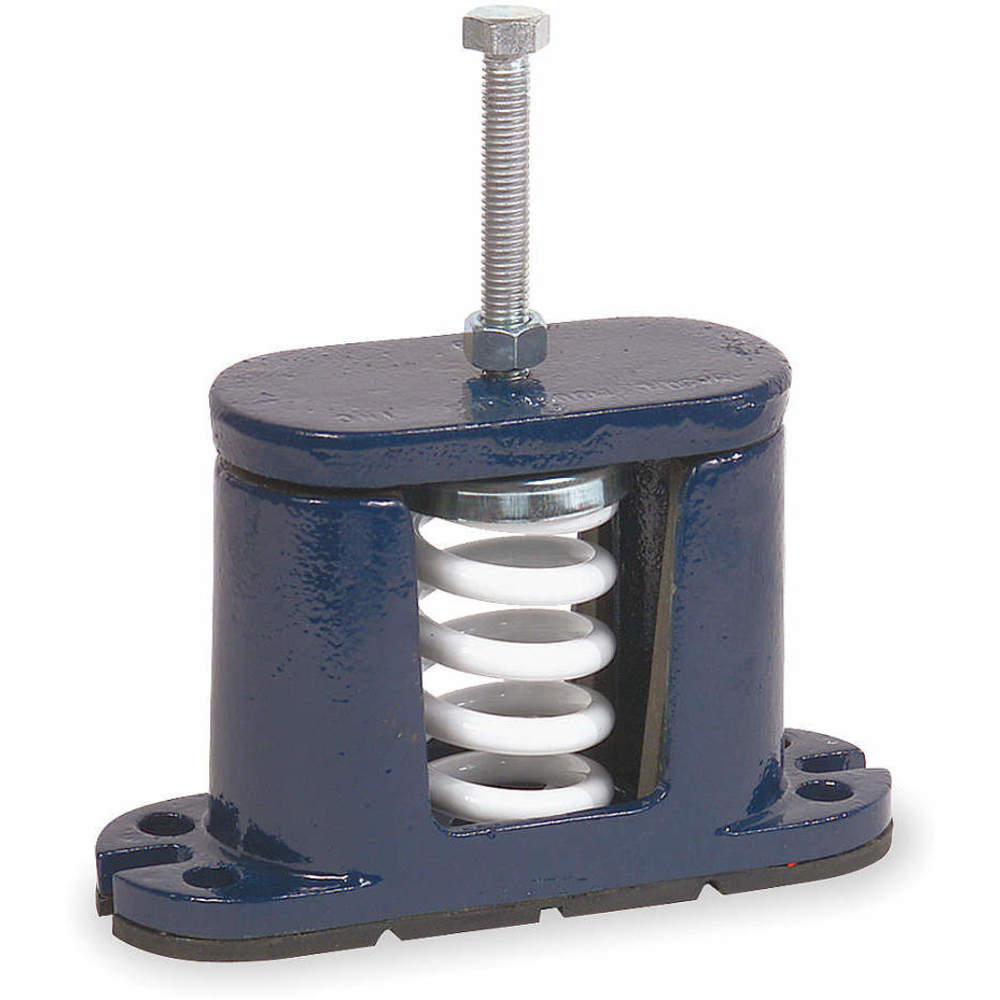
HVAC spring isolators are manufactured to provide the highest level of isolation to pipework and suspended equipment. They allow excellent deflection and consist of a noise isolation pad, a colour-coded spring element and a welded hanger bracket.
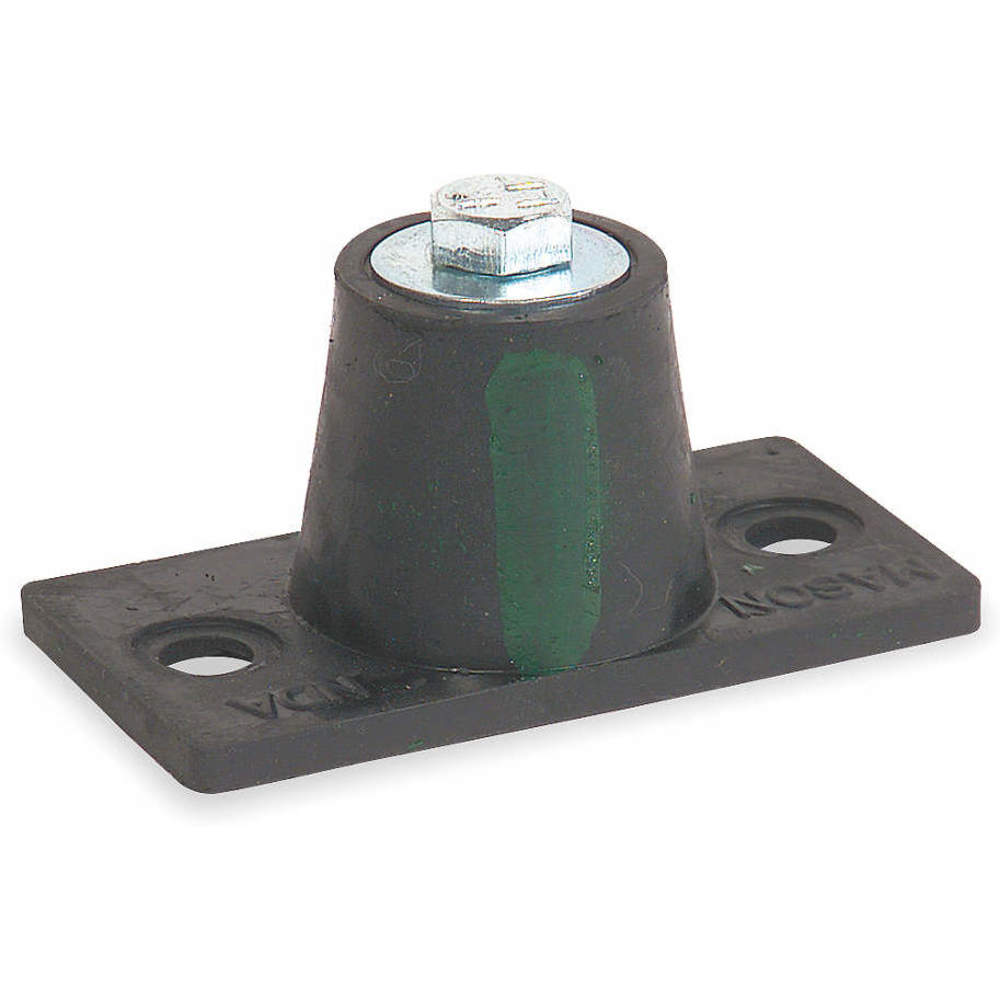
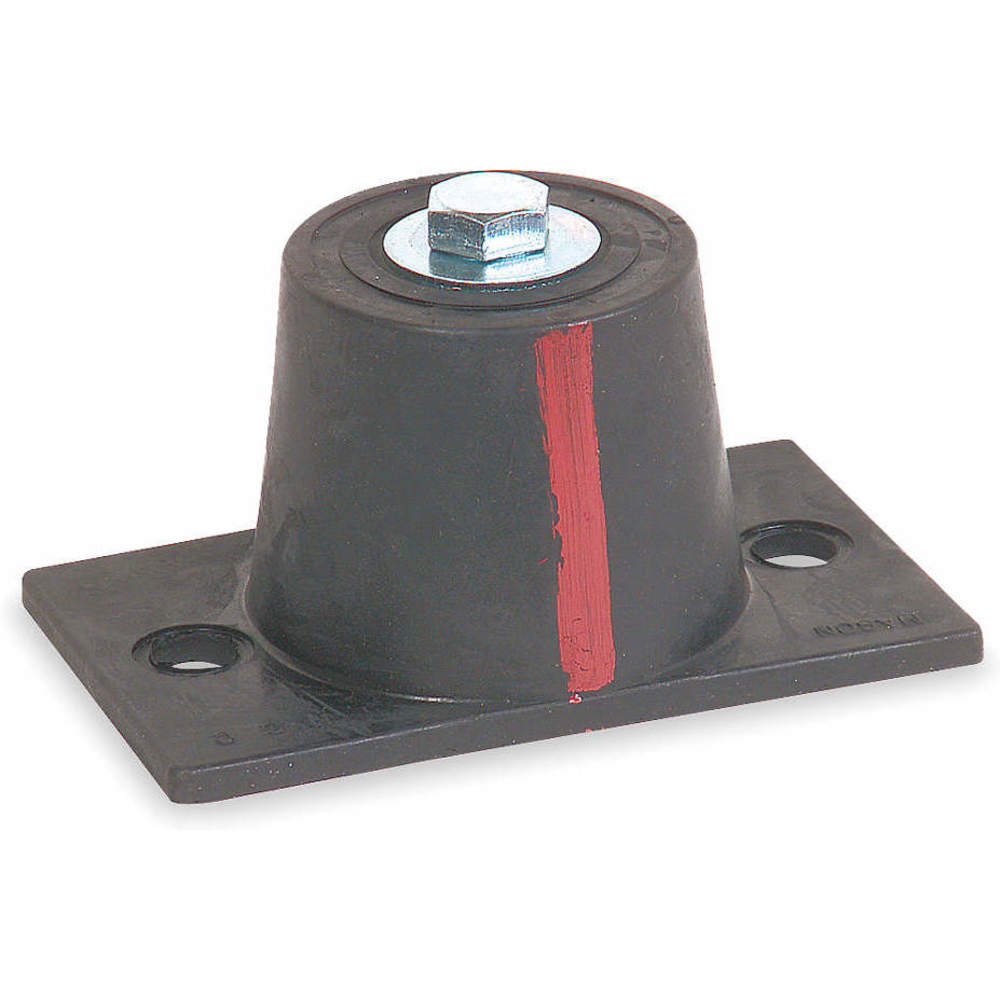
| Style | Model | Capacity | Deflection | Isolator Material | Height | Spring Color | Color Mark | Thread Size | Dimension H | Price (ex. VAT) | Cart |
|---|---|---|---|---|---|---|---|---|---|---|---|
| A | 4C875 | 15.0 lbs. to 45.0 lbs. | 0.2" to 0.4" | Neoprene | 1 1/2" | - | Black | - | - | $25.36 | |
| A | 4C876 | 60.0 lbs. to 125.0 lbs. | 0.2" to 0.4" | Neoprene | 1 1/2" | - | - | - | 16 1/4" | $26.81 | |
| B | 4C877 | 125.0 lbs. to 250.0 lbs. | 0.25" to 0.5" | Neoprene | 1 7/8" | - | Red | - | - | $36.00 | |
| A | 4C955 | 40.0 lbs. to 75.0 lbs. | 0.2" to 0.4" | Neoprene | 1 1/2" | - | Green | - | - | $26.64 | |
| B | 4C961 | 85.0 lbs. to 175.0 lbs. | 0.25" to 0.5" | Neoprene | 1 7/8" | - | Green | - | - | $34.31 | |
| B | 4C988 | 190.0 lbs. to 380.0 lbs. | 0.25" to 0.5" | Neoprene | 1 7/8" | - | White | - | - | $37.40 | |
| B | 4C989 | 300.0 lbs. to 600.0 lbs. | 0.25" to 0.5" | Neoprene | 1 7/8" | - | Yellow | - | - | $37.06 |
Since you're visiting from the United States, for the best experience and tailored product searches, please use our dedicated U.S. website.
Go to ChatMRO.com (US)

 ChatMRO